
Canada’s homelessness data sharing conference
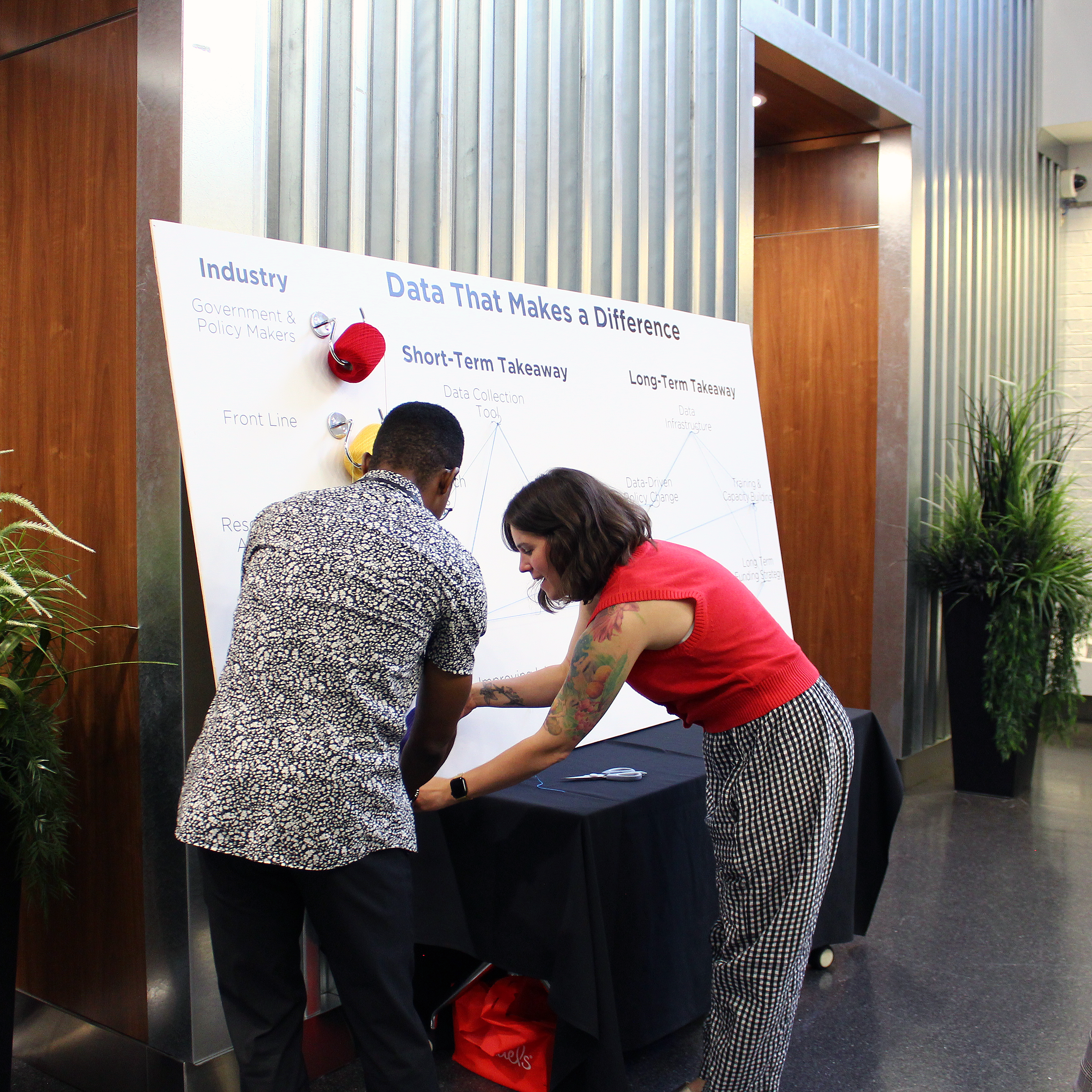
Data That Makes A Difference conference
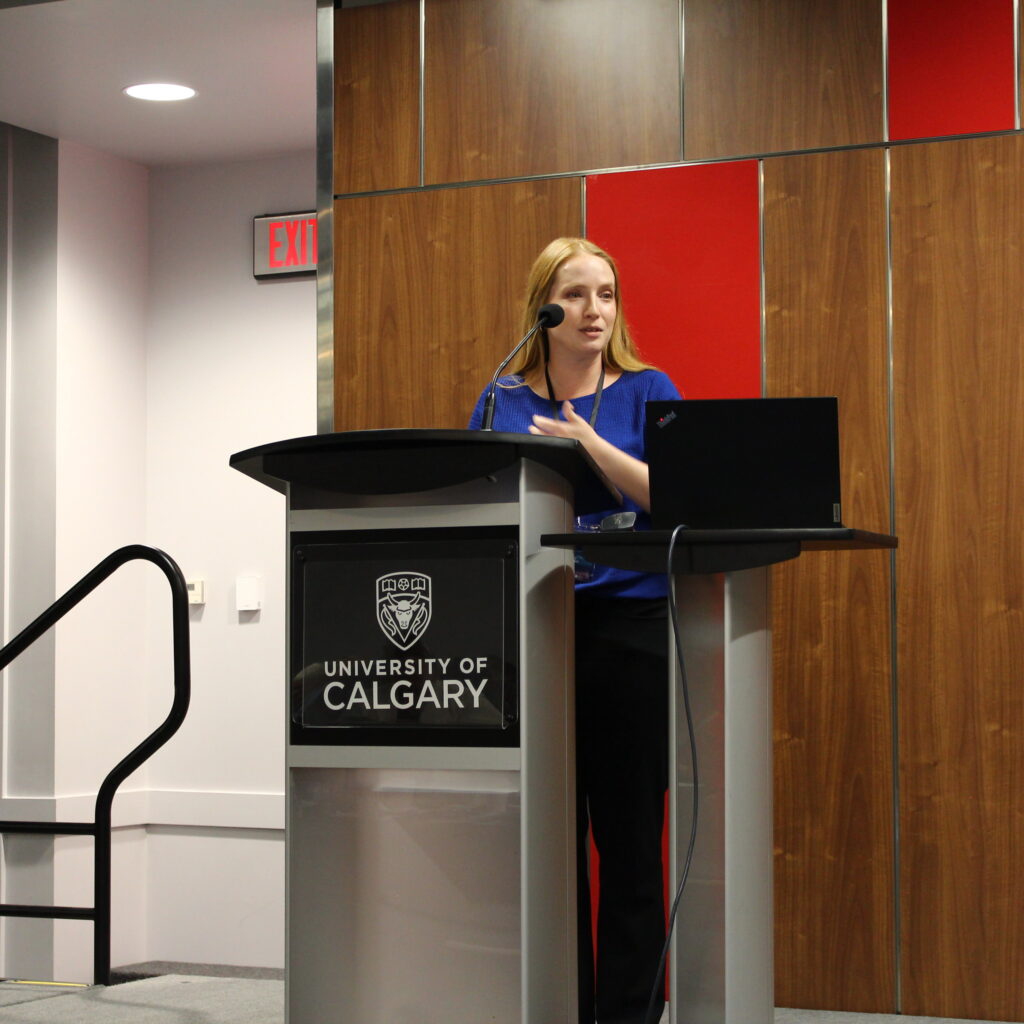
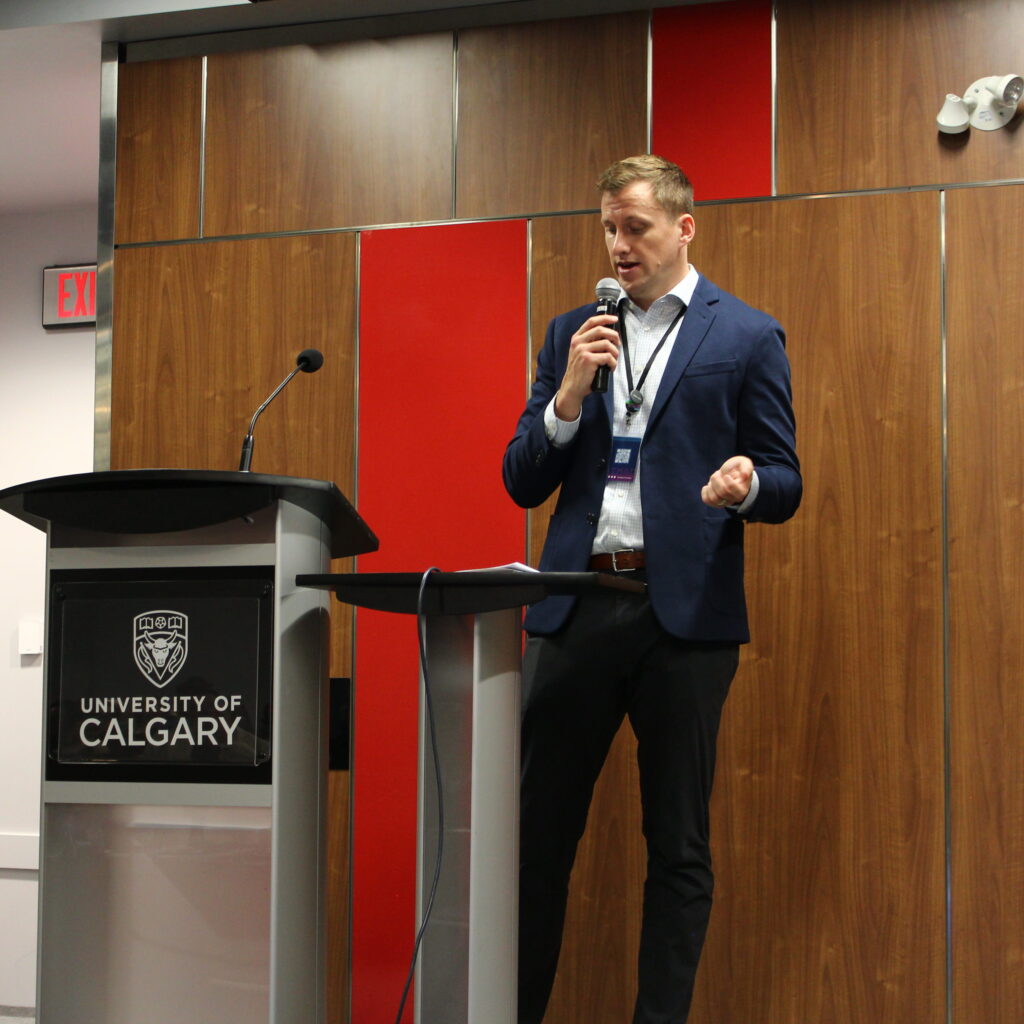
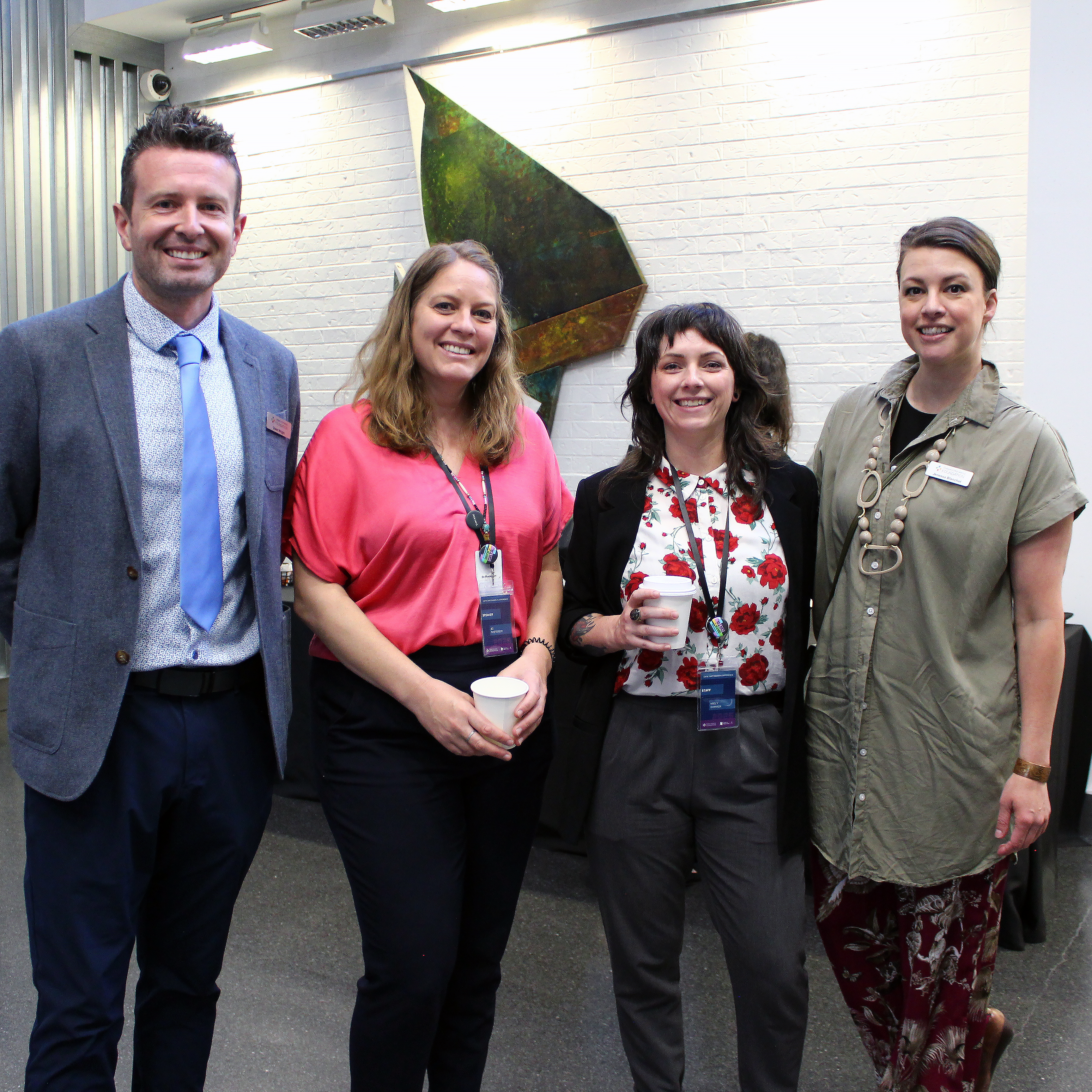
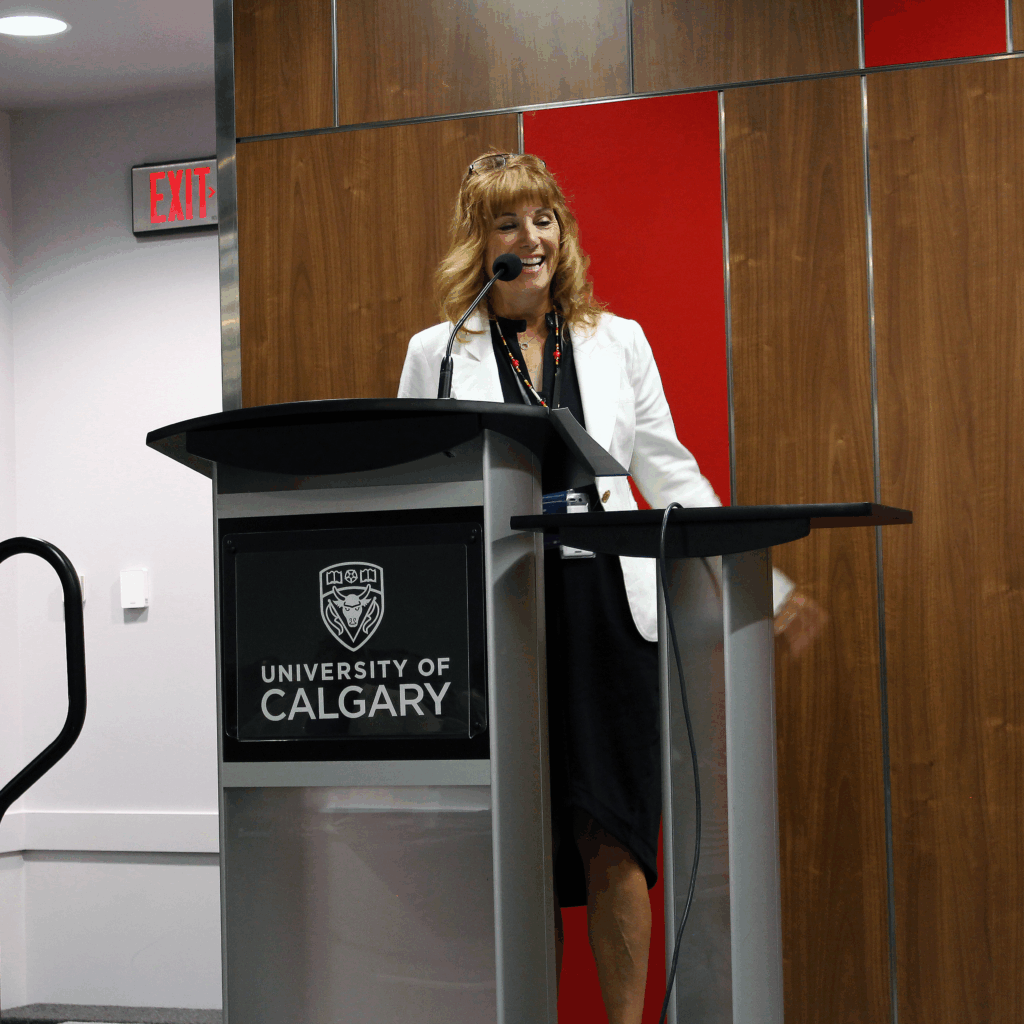
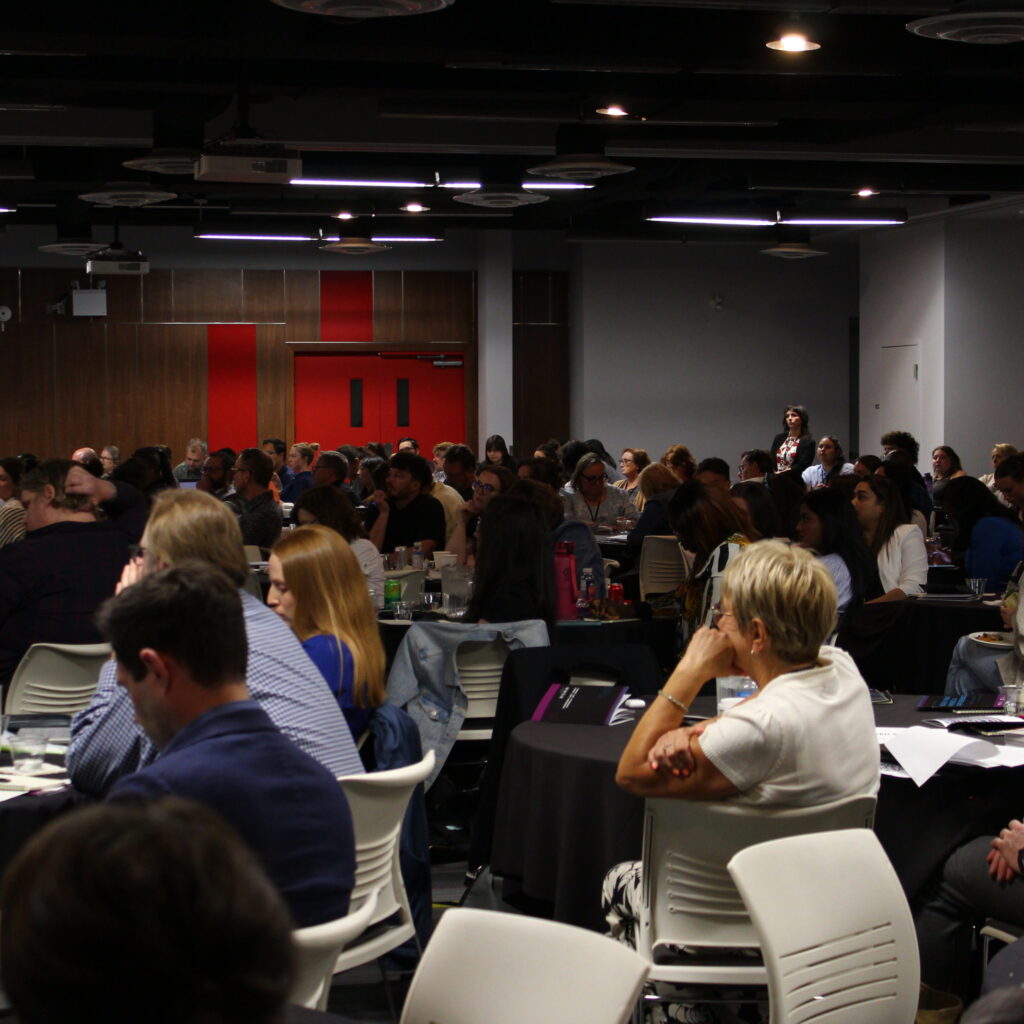
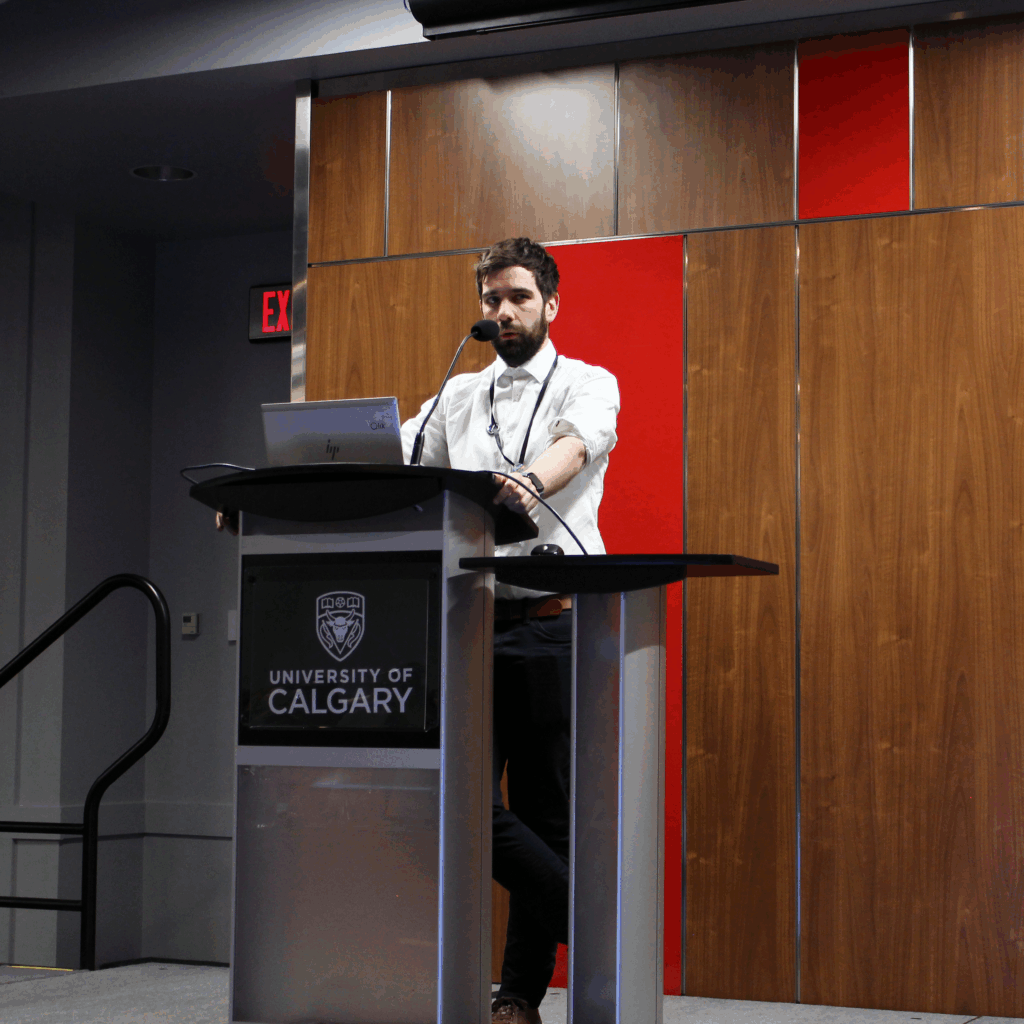
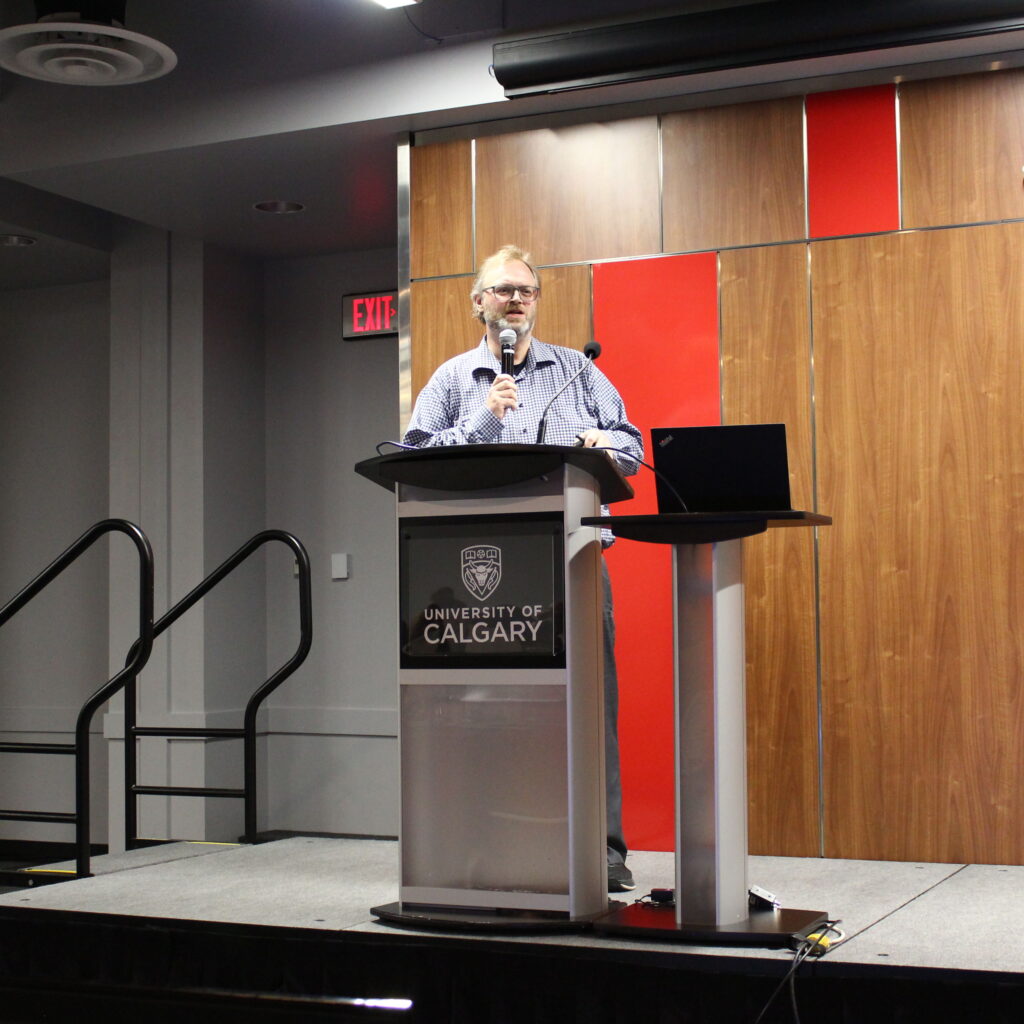
Calgary Homeless Foundation (CHF) and The School of Public Policy at the University of Calgary host this annual national conference that brings together data professionals, service delivery partners, and researchers to exchange insights and learnings about the data-driven innovations that are transforming the homeless-serving system of care.
Join us for the 9th Annual
Data That Makes a
Difference Conference
Wednesday
May 27 2026
–
Thursday
May 28 2026
University of Calgary
Downtown Campus
906 8 Ave SW, Calgary, AB T2P 1H9
Registration
Data That Makes a Difference 2026 is now sold out. We look forward to seeing you at the conference!
How does data inform the work of service and program providers in the homeless-serving sector?

Impactful data
Practical applications and sector insights
Exploring how specific data has been effectively applied and made a tangible difference across the homeless-serving sector.

Current trends
Emerging research and data connections
Highlighting the latest advancements, trends, and newly identified connections in data that are driving change.

Data gaps
What’s needed for progress?
Identifying the critical data we still need, and the important questions we should be asking to unlock new opportunities for impact.
Breakout Sessions
This year’s conference features interactive breakout sessions on the afternoon of Day 2 (May 28th), where presenters share key learnings and participants engage in hands-on, collaborative discussions. These sessions are only available to registered conference attendees.
Bursary for people with lived experience
Are you a person with lived experience of homelessness and would like to attend the Data That Makes a Difference conference, but cost is a barrier? Please fill out the form, and we will reach out to you with accessible options for attendance.
Apply for a bursary
Speakers & Presentations
Below are the Speakers for the 9th annual Data That Makes a Difference Conference

KEYNOTE – Five Ways Data Made a Difference in Responding to Homelessness
Gord Tanner
Abstract
This keynote follows Gord Tanner’s 20‑year journey working within Toronto’s homelessness system, one of the largest in Canada. Through five key moments, he will explore how data informed responses to growing complexity, shifting trends, and system‑wide challenges—highlighting lessons that are relevant to communities of all sizes.
Speaker’s bio
Gord Tanner is the General Manager of Toronto Shelter and Support Services (TSSS) at the City of Toronto. TSSS is the service system manager for homelessness services in the City and both funds and provides direct shelter and outreach services to people experiencing homelessness. Gord joined the City in 2005 as the inaugural housing first program, Streets to Homes was launched. Before joining the City he worked with Sherbourne Health Centre and the Centre for Addiction and Mental Health. He has an MSW from McGill University and a BSW from Toronto Metropolitan University.

My Lessons From Other Countries’ Battle with Homelessness
Nick Falvo
Abstract
Dr. Nick Falvo has organized international study tours to the United States, England, Finland, Ireland and Northern Ireland. Each study tour has taken 30 senior leaders in Canada’s homelessness sector to a major city to explore that country’s homeless-serving system of care. In this presentation, Dr. Falvo will discuss some key learnings that can help inform the Canadian context. Example innovations he’ll discuss include:
- Safe Haven shelters—essentially office cubicles for each resident to sleep in on an emergency basis (New York City)
- The potential role that public libraries can play in addressing homelessness (Brooklyn)
- Police training in collaboration with community non-profits (Queens, New York)
- Discharges from correctional facilities directly into emergency shelter via a warm transfer (Bergen County, New Jersey)
- An Uber-style approach home repairs and maintenance (London, England)
- An app allowing members of the general public to ‘call in’ when they see someone sleeping rough (London, England)
- Human trafficking work in London’s homeless-serving sector
- Prison ‘in reach’ in London’s homeless-serving sector (30 FTE staff in 10 jails)
Supported employment for tenants in supportive housing (casual work available every week for tenants in Finland)
Speaker’s bio
Nick Falvo has a PhD in Public Policy and spent 10 years working on the front line with persons experiencing homelessness. He is Editor of the International Journal on Homelessness, and is the 2021 winner of the CMHC President’s Medal for Outstanding Housing Research. From 2015 until 2019, he was Director of Research and Data at the Calgary Homeless Foundation.

Connecting What Frontline Workers Know to Tangible Evidence: Examples of What De-Identified Linked Data Can Help Us Understand
Jessica Dobrovic
Abstract
Frontline workers have always understood that homelessness is rarely the result of a single event or system. It emerges at the point where multiple systems fail to support people in the ways they need. In practice, homelessness services become the “no wrong door”, not just as a model of practice, but also often because every other system door has already closed.
This presentation shows how population level de-identified linked data can help us see what the sector already knows to be true: that people’s lives intersect with systems in complex and sometimes uneven ways. By connecting datasets that typically don’t “talk” to each other, we can investigate system level contact patterns and support services to understand pathways into homelessness tangibly.
Drawing on two South Australian examples, we explore:
- How a small community homelessness organisation was supported to investigate whether it’s metropolitan, long-term support model could be scaled to a regional population; and
- How two large homelessness alliances were supported to examine cross system contacts (including child protection, hospitals and corrections) in the year before and after people accessed support from their service, to better understand the cyclical nature of homelessness.
Across both projects, the aim was the same: to bridge frontline worker and service wisdom with actionable population level insights, ensuring decision making is grounded in available evidence while ensuring people experiencing homelessness were at the centre of the work.
Participants will leave with practical examples of how linked data can support service planning, and examples of how population data can illuminate what workers have long seen in their day-to-day work but perhaps have not yet been able to demonstrate at scale.
Speaker’s bio
Jessica Dobrovic is a Social Worker by trade who spent years in frontline roles before moving into data analysis and population health. This move was driven by a desire to use data to prove what works for people experiencing disadvantage, and to influence the systems that can often entrench it. Currently, she is a Research Associate at Adelaide University, where she is part of a team undertaking a review of South Australia’s homelessness commissioning. She also works with community organisations to evaluate their impact and investigate opportunities to scale their reach using de-identified linked administrative data. Jessica was previously the Data Analyst for the Aspire Social Impact Bond (Australia’s first bond to address homelessness) and her work has been recognized with the SA Social Worker of the Year (2021) and Channel 7 Young Achiever (2020) awards. Also a PhD candidate, her research investigates the adaptation of international service delivery models within the Australian context, using several imported homelessness models as examples.

What We Couldn’t See Before: Using Race-Based Data to Better Understand and Respond to Homelessness in Edmonton.
Alain Ndayishimiye
Abstract
In 2023, Edmonton implemented comprehensive race-based data collection across its homelessness response system, representing a critical step toward understanding how homelessness is experienced differently across racialized communities. Prior to this, system-level data lacked the ability to consistently identify racial disparities, limiting the capacity of planners and service providers to respond equitably. Since implementation, Edmonton has collected and analyzed race-based data for three years and that data offers new insights into pathways into homelessness, service access and interaction, and system outcomes across diverse racial backgrounds.
This presentation will share Edmonton’s experience implementing race-based data collection and highlight early findings on how homelessness impacts specific racialized groups. It will explore patterns related to entry into homelessness, duration of homelessness, service needs, and housing outcomes while emphasizing the importance of interpreting data in ways that avoid deficit-based or stigmatizing narratives.
The session will also examine the practical and ethical considerations involved in collecting race-based data, including staff training, data quality, consent, and community trust. Edmonton’s approach demonstrates how race-based data can be used to inform more equitable policy decisions, program development, and accountability within homelessness systems. Participants will leave with concrete lessons on implementing race-based data, interpreting findings through an equity lens, and translating insights into meaningful system change. This case study will be relevant for communities seeking to strengthen data practices that support inclusion, and more effective responses to homelessness.
Learning Objectives:
- Understand why race-based data is important for identifying inequities within homelessness systems.
- Learn how Edmonton implemented comprehensive race-based data collection within an existing homelessness response system.
- Explore early insights on how homelessness impacts people from different racial backgrounds and the need for culturally appropriate interventions.
Identify challenges and promising practices related to data quality, ethics, and community trust.
Speaker’s bio
Alain Ndayishimiye is a seasoned data professional and currently serves as the Manager of Data & Analytics at Homeward Trust. With a strong background information system, homelessness data, and evaluation. Alain plays a pivotal role in transforming the organization’s approach to data-driven decision-making.
At Homeward Trust, Alain leads a dedicated team focused on modernizing data infrastructure, developing knowledge management pipelines, and ensuring that both quantitative and qualitative data are effectively integrated into the decision-making process. His expertise lies in identifying opportunities to leverage technology and data insights to optimize service delivery and drive impactful solutions in the homelessness sector.
Prior to joining Homeward Trust, Alain held various roles in the homeless-serving, nonprofit and education sector in data analytics and information systems management, where he honed his skills in data-driven problem-solving, technology implementation, and strategic planning.

Seeing Housing Risk Earlier: Emerging Data Connections Between Newcomer Services and the Homelessness System
Nataliia Shen & Michael Grant
Abstract
This joint presentation by the Centre for Newcomers (CFN) and the Calgary Homeless Foundation highlights several emerging trends and an emerging data connection between newcomer settlement services and the homelessness response system. CFN’s settlement and stabilization data – such as benefits navigation, documentation and employment barriers, repeated service referrals, and temporary accommodation use – are increasingly showing early signals of housing instability before newcomers enter the homelessness system.
Together, CFN and the Calgary Homeless Foundation will demonstrate how linking upstream newcomer service data with homelessness system priorities is strengthening early identification, referral pathways, and prevention-focused practice. A short client story will illustrate how these emerging data connections enabled earlier intervention and helped prevent a family from entering homelessness. Participants will gain practical insights on how cross-sector data collaboration can improve homelessness prevention for newcomer communities.
Speaker’s bio
Nataliia Shen is the Housing Manager at the Centre for Newcomers in Calgary, where she leads a comprehensive housing program supporting immigrants and refugees who are experiencing housing insecurity or are at risk of homelessness. She joined CFN in May 2022 as a Housing Coordinator, supporting the resettlement of Ukrainian evacuees through host home placements and the Temporary Accommodation Program, and has since played a key role in strengthening CFN’s housing response and prevention-focused practice. Nataliia holds a degree from Kyiv National University of Economics and an MBA in Finance. Before joining CFN, she spent 15 years at Intel Corporation in senior sales and marketing roles. Since moving to Canada in 2018, Nataliia has focused her work on strengthening housing access, prevention, and cross-sector collaboration for newcomer communities in Calgary, with a strong emphasis on client-centered service delivery.

Seeing Housing Risk Earlier: Emerging Data Connections Between Newcomer Services and the Homelessness System
Michael Grant & Nataliia Shen
Abstract
This joint presentation by the Centre for Newcomers (CFN) and the Calgary Homeless Foundation highlights several emerging trends and an emerging data connection between newcomer settlement services and the homelessness response system. CFN’s settlement and stabilization data – such as benefits navigation, documentation and employment barriers, repeated service referrals, and temporary accommodation use – are increasingly showing early signals of housing instability before newcomers enter the homelessness system.
Together, CFN and the Calgary Homeless Foundation will demonstrate how linking upstream newcomer service data with homelessness system priorities is strengthening early identification, referral pathways, and prevention-focused practice. A short client story will illustrate how these emerging data connections enabled earlier intervention and helped prevent a family from entering homelessness. Participants will gain practical insights on how cross-sector data collaboration can improve homelessness prevention for newcomer communities.
Speaker’s bio
Michael is a Registered Social Worker who has been deeply involved in Calgary’s Homeless-Serving System of Care since 2011. He began his career on the front lines, working directly with individuals experiencing homelessness and navigating a wide range of complex needs. In 2017, he joined the Calgary Homeless Foundation, where he now serves as Manager of System Planning. In this role, Michael brings his experience and expertise to tackling systemic issues that shape homelessness in Calgary. He has played a key role in coordinating the community’s collective response, collaborating closely with local agencies and serving as co-chair of Calgary’s Coordinated Access and Assessment system. Driven by both compassion and strategy, Michael is committed to creating pathways toward lasting solutions.

From Theory to Impact: Mapping the Path Out of Homelessness
Ashley Fraser
Abstract
What if we could see the road to ending homelessness and measure every step?
This presentation explores how a clearly defined Theory of Change (TOC) can serve as a roadmap for programs and systems working to address homelessness. The presentation will introduce an innovative tool developed by Calgary Homeless Foundation that brings this vision to life — a visual, outcome-mapping approach that documents program outcomes across impact domains for Calgary’s Homeless-Serving System of Care.
Designed to honor the complexity of the sector, this tool helps illuminate participant journeys, clarify program goals, and measure impact — all while acknowledging the humanity, choice, and systemic influences that shape outcomes. By grounding each program in its sphere of control, leaders can articulate intended outcomes with clarity and compassion. Already implemented in over 40 programs in Calgary, this tool has broad utility.
It can be used to:
- Clearly outline and articulate a program’s goals and the path to achieve them
- Identify and inform data needs
- Guide program design and continuous improvement,
- Support case management practices and staff training,
- Reveal system-level barriers, and
- Evaluate program outcomes and long-term impact.
By using this TOC approach to inform measurement and foster social learning, programs and systems become better equipped to identify gaps, spark meaningful conversations, and drive coordinated action.
When we map the journey with intention, we don’t just track progress — we transform systems.
Speaker’s bio
Ashley Fraser is the Manager of Evaluation at the Calgary Homeless Foundation. With extensive experience in applied research and evaluation, she is passionate about supporting programs and systems in designing evaluative practices that track outcomes and deepen understanding of impact. Ashley holds a Master’s in Public Health and brings a strong grasp of housing as a social determinant of health. Her work is grounded in her frontline experience within the homeless-serving sector, which continues to shape her approach. She believes in the power of evaluative thinking to inform, improve, and transform programs and systems—all in service of people.
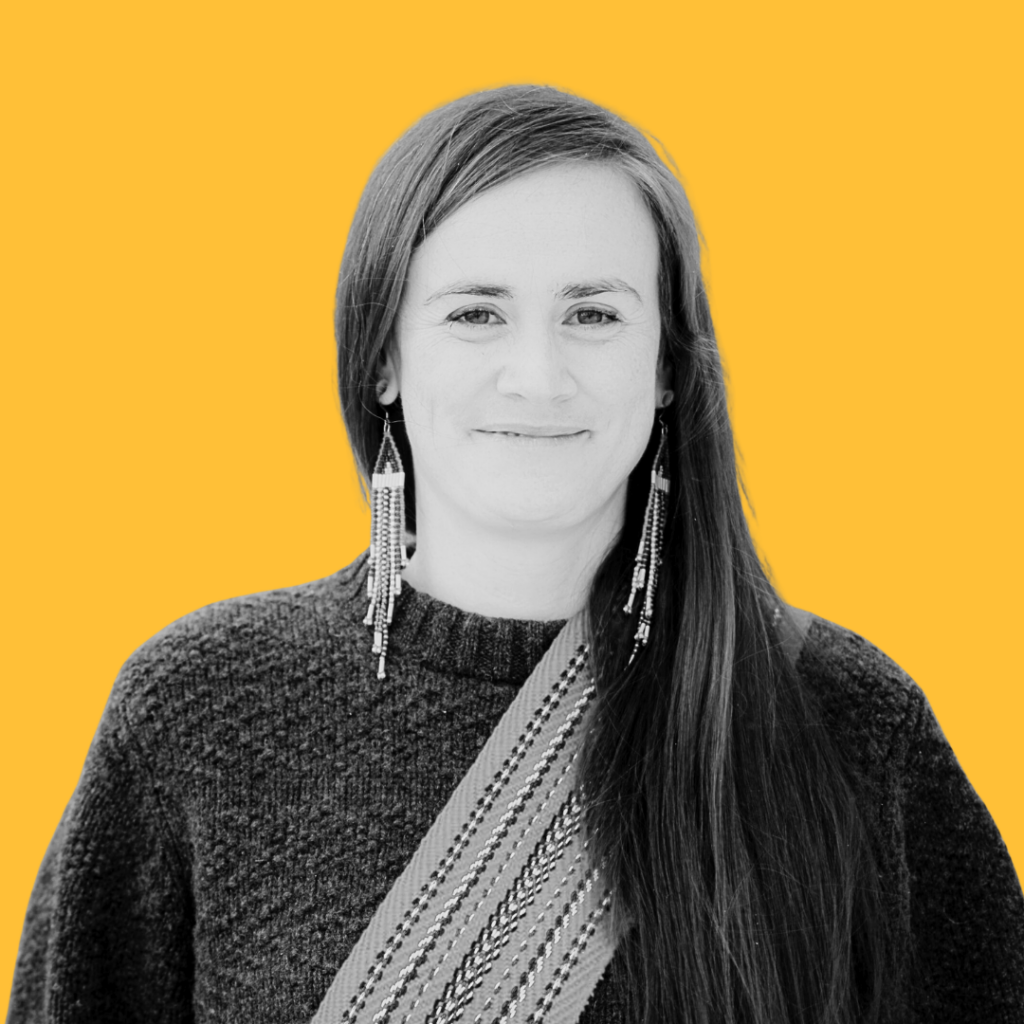
Reimagining Data: Indigenous-led Data Collection
Suzanne Cunningham & Blake Jackman
Abstract
This presentation explores how Indigenous agencies can reclaim and strengthen data sovereignty while operating within funding systems that are largely built on Eurocentric, quantitative reporting models. Drawing on frontline operational experience from Indigenous-led housing and social service organizations, we will examine the tension between spreadsheet-driven accountability and community-centered knowledge, and how this gap affects program design, reporting, and outcomes.
We will ground the discussion in a core question: How do we connect data back to humanity? Too often, community stories, cultural outcomes, relational progress, and prevention work are compressed into narrow quantitative indicators. We will demonstrate practical ways to pair quantitative metrics with relational, narrative, and culturally grounded measures so that reporting reflects lived realities rather than just numerical outputs.
Key focus areas will include:
- Indigenous Data Sovereignty in practice — what it means at the agency and participant level, and how consent, ownership, access, and stewardship principles can be operationalized in everyday program delivery.
- Funding constraints and reporting burdens — how standardized reporting frameworks can unintentionally distort program priorities and pull resources away from service delivery.
- Data pathways and accountability — tracing where community data goes after collection, who benefits from it, and how agencies can build accountability loops back to the communities providing that data.
- The need for Indigenous-led data collection and data sharing agreements — including practical models for community-governed data use and inter-agency collaboration.
- The critical role of Indigenous grant administrators and program leads, as translators between funder requirements and community realities, and as protectors of ethical data use.
- Reducing administrative overload — concrete strategies funders can adopt to support Indigenous organizations through proportional reporting, trust-based funding practices, and flexible outcome frameworks.
- Collaborative funding relationships — what flexibility, adaptation, and co-development look like between funders and Indigenous agencies, with real examples of iterative reporting, shared indicator development, and relationship-based accountability.
Participants will leave with practical applications, including sample dualtrack reporting approaches (quantitative + narrative), culturally grounded indicator examples, draft principles for Indigenous-led data agreements, and partnership practices that balance accountability with respect, reciprocity, and community benefit. The goal is to move from extractive data practices toward relational, responsible, and community-centered data stewardship.
Speaker’s bio
Suzanne Cunningham is a proud Métis leader and advocate, serving as Director of Housing for Restoring Home Fires at Red Road Healing Society. Red Road Healing Society serves as the Edmonton Indigenous Community Entity for federal Reaching Home funding, partnering with Indigenous-led organizations to deliver housing supports, rent assistance, and culturally grounded programs. Suzanne’s work focuses on championing Indigenous-led solutions to homelessness through equitable funding models, transparent governance, and data stewardship, ensuring that housing resources are culturally driven and rooted in community priorities. She works closely with government partners to grow Indigenous agencies to create long-term, sustainable housing pathways. Rooted in her Métis heritage, with family names Bruce, Parenteau, Goulet, and McMillan, Suzanne is deeply committed to preserving and elevating Indigenous knowledge and traditions. She is a citizen and elected District Councillor for Otipemisiwak Métis Government of the Métis Nation within Alberta and resides, works, and beads in Edmonton/amiskwacîwâskahikan.

Reimagining Data: Indigenous-led Data Collection
Blake Jackman & Suzanne Cunningham
Abstract
This presentation explores how Indigenous agencies can reclaim and strengthen data sovereignty while operating within funding systems that are largely built on Eurocentric, quantitative reporting models. Drawing on frontline operational experience from Indigenous-led housing and social service organizations, we will examine the tension between spreadsheet-driven accountability and community-centered knowledge, and how this gap affects program design, reporting, and outcomes.
We will ground the discussion in a core question: How do we connect data back to humanity? Too often, community stories, cultural outcomes, relational progress, and prevention work are compressed into narrow quantitative indicators. We will demonstrate practical ways to pair quantitative metrics with relational, narrative, and culturally grounded measures so that reporting reflects lived realities rather than just numerical outputs.
Key focus areas will include:
- Indigenous Data Sovereignty in practice — what it means at the agency and participant level, and how consent, ownership, access, and stewardship principles can be operationalized in everyday program delivery.
- Funding constraints and reporting burdens — how standardized reporting frameworks can unintentionally distort program priorities and pull resources away from service delivery.
- Data pathways and accountability — tracing where community data goes after collection, who benefits from it, and how agencies can build accountability loops back to the communities providing that data.
- The need for Indigenous-led data collection and data sharing agreements — including practical models for community-governed data use and inter-agency collaboration.
- The critical role of Indigenous grant administrators and program leads, as translators between funder requirements and community realities, and as protectors of ethical data use.
- Reducing administrative overload — concrete strategies funders can adopt to support Indigenous organizations through proportional reporting, trust-based funding practices, and flexible outcome frameworks.
- Collaborative funding relationships — what flexibility, adaptation, and co-development look like between funders and Indigenous agencies, with real examples of iterative reporting, shared indicator development, and relationship-based accountability.
Participants will leave with practical applications, including sample dualtrack reporting approaches (quantitative + narrative), culturally grounded indicator examples, draft principles for Indigenous-led data agreements, and partnership practices that balance accountability with respect, reciprocity, and community benefit. The goal is to move from extractive data practices toward relational, responsible, and community-centered data stewardship.
Speaker’s bio
Blake Jackman is a housing and social services leader with extensive experience in Indigenous-led program development, supportive housing operations, and cross-sector partnerships. Serving as the Director of Housing with Native Counselling Services of Alberta (NCSA), Blake oversees complex housing portfolios, community-based service delivery, and funder relationships, with a focus on culturally grounded, outcomes-driven practice. His work centers on strengthening Indigenous data sovereignty, improving accountability to community, and aligning reporting and funding systems with real human outcomes. Blake brings a practical, field-informed perspective on collaboration between Indigenous agencies and funders, emphasizing relational accountability, administrative balance, and community impact.

Using Unit Swaps to Solve CH Housing Bottleneck – The Goldilocks Fix
Kemi Ajayi
Abstract
The Goldilocks zone is the spot around a star, that is neither too hot nor too cold and is often described as the ideal spot or space. In a bid to address the bottleneck on our housing waitlist amidst reduced resident turnover rates, we examined our current residents and identified three new data points – Underhoused Households (too hot), Overhoused Households (too cold) and Right-Sized Households (ideal).
On one hand, we had people living in spaces that were too small facing overcrowding, and on the other hand, we had people living in units that were too large with empty rooms that once held family. Our goal was to ensure that households were appropriately housed in units that aligned with the National Occupancy Standard based on their family sizes, whether due to an increase in family composition or other life transitions such as children reaching adulthood, bereavement, or separations.
In our presentation, we will explore how the housing suitability data provided us with a strategy to navigate overcrowding, and support residents to remain appropriately housed within their existing communities. Using the measures defined by the National Occupancy Standard to determine whether a household had appropriate bedrooms for based on family composition, we will demonstrate how the housing suitability data and the goldilocks zone, helped us identify and uncover hidden capacity we could leverage to support housing stability. As a creative response to funding challenges in being able to turn over units, the Goldilocks fix provided us with a means to optimize existing housing and provide housing relief for families without relying on new constructions.
The purpose of the presentation is to demonstrate that data driven insights can kickstart early interventions and create new pathways to support and address housing bottlenecks in a manner that is respectful and maintains community ties.
Speaker’s bio
Kemi Ajayi is a Customer Experience Strategist at Calgary Housing, one of the largest residential landlords in Calgary serving over 10,000 households. She has over 12 years’ of experience leading Customer Experience Strategy, Data Analytics, Artificial Intelligence and Transformation Initiatives across highly regulated and people impacting environments. Her work focuses on using data, AI and technology to support decision making, improve engagement and design trusted scalable human-centered experiences that enable better outcomes for people and teams.

What Shorter Shelter Stays Reveal About Homelessness Prevention
Ron Kneebone
Abstract
Culhane, et al. (2011) identify three levels of homeless prevention – primary, secondary and tertiary. Primary prevention refers to efforts to prevent people from experiencing homelessness; secondary prevention refers to efforts to minimize the length of time people experience homelessness; and tertiary prevention refers to mitigating the effects of homelessness once it has been firmly established. With respect to policy actions, primary and tertiary prevention are the purview of governments who determine levels of income support, employment conditions, and housing availability. Community based organizations are mainly focused on, though not solely responsible for, minimizing the length of time people experience homelessness (secondary prevention). Since it is wellestablished that the duration of homeless shelter stays negatively influences housing outcomes, CBO’s that are effective at secondary prevention contribute to minimizing the costs of tertiary prevention.
In this project, we use anonymized secondary use data describing homeless shelter use in Calgary over the period 2009 to 2025. We observe how people use homeless shelters during the first 365 days following their first use of a shelter. Dividing our sample into annual cohorts, we observe progress made by Calgary’s shelter system in minimizing the number and length of shelter episodes during those first 365 days. We observe the effects of the pandemic and can also infer the influences of rising rents and costs of living.
Our method of presentation of statistical findings is designed to be appreciated by the non-expert making it possible for informed discussions of potential causes, and potential responses to the changes we identify. We are most anxious to hear from shelter operators and community experts whether policy initiatives they have championed are observed in these data.
Speaker’s bio
Ron Kneebone is a Professor Emeritus and Research Fellow at the School of Public Policy at the University of Calgary. His published research includes examinations of issues pertaining to government deficits and debt but for the past 15+ years his research has focused on issues of social assistance, poverty reduction, domestic violence, inequality, and the economics of homelessness. He is a co-author of two undergraduate textbooks in economics and is a past winner of the Doug Purvis Memorial Prize for the best published work in Canadian public policy. Ron is a former associate editor of Canadian Public Policy, Canada’s foremost journal examining economic and social policy. From 2016-19 he served on the Board of Directors of the Calgary Homeless Foundation.

Recent trends and new directions: What new data tell us about the state of homelessness in Canada and what gaps remain
Patrick Hunter & Annie Duchesne
Abstract
Homelessness in Canada shows signs of both persistence and intensification. Over the past years, significant advances have been made in the data available to identify and understand these changes. These have included the development of data on the dynamics of shelter use, the introduction of annual Point-in-Time enumerations, and the ongoing advancement of real-time community-level data. This presentation will share what has been learned from recent data about the recent increases in homelessness seen across much of the country. In particular, how shelter stay lengths are contributing to ongoing growth in the numbers of people experiencing homelessness, a trend that is consistent with rising reports of chronic homelessness. Monthly national indicators further confirm growing rates of overall homelessness, with notable regional variation and especially high rates in major urban and northern communities. Taken together, these sources underscore a complex and escalating national challenge requiring coordinated, data-driven responses. Ongoing data gaps and efforts to address them will be discussed.
Speaker’s bio
Patrick Hunter, PhD Manager | Homelessness and Supportive Housing Policy Directorate | Housing, Infrastructure, and Communities Canada
Over 15 years, Patrick has pursued the advancement of knowledge on homelessness and the
means to address it. He manages the Homelessness Analysis team, which is responsible for data analysis and research to better understand homelessness in Canada. Prior to that, Patrick led the development of a nationally-coordinated Point-in-Time counts in Canada, and initiated the work on a national homelessness data strategy that aims to support national and local data needs. Throughout his career, he has worked to support research intended to help communities prevent and reduce homelessness. Patrick has a PhD in Psychology from the University of Toronto.

Recent trends and new directions: What new data tell us about the state of homelessness in Canada and what gaps remain
Annie Duchesne & Patrick Hunter
Abstract
Homelessness in Canada shows signs of both persistence and intensification. Over the past years, significant advances have been made in the data available to identify and understand these changes. These have included the development of data on the dynamics of shelter use, the introduction of annual Point-in-Time enumerations, and the ongoing advancement of real-time community-level data. This presentation will share what has been learned from recent data about the recent increases in homelessness seen across much of the country. In particular, how shelter stay lengths are contributing to ongoing growth in the numbers of people experiencing homelessness, a trend that is consistent with rising reports of chronic homelessness. Monthly national indicators further confirm growing rates of overall homelessness, with notable regional variation and especially high rates in major urban and northern communities. Taken together, these sources underscore a complex and escalating national challenge requiring coordinated, data-driven responses. Ongoing data gaps and efforts to address them will be discussed.
Speaker’s bio
Annie Duchesne Policy Analyst | Homelessness and Supportive Housing Policy Directorate | Housing, Infrastructure, and Communities Canada
Annie Duchesne has been a homelessness researcher for over 10 years both in community and at the federal level. She is currently the lead analyst for several reports including the annual National Shelter Study. Her work focuses on developing a better understanding of homelessness at the national and local levels. Annie has a Masters of Science in Public Health from McGill University.

Connecting families to the right supports through a 24/7, data‑informed and culturally responsive triage tool.
Nicole Williams, Christine Hall & Anisa Abkey
Abstract
Breakout Session
In response to the ongoing need for 24/7 supports for families experiencing or at risk of homelessness across the province, Inn from the Cold developed and launched a new triage and housing solutions assessment in the spring and summer of 2025. The purpose is to ensure that families are connected to the right support at the right time, including helping families stay in the community when possible. This tool is used to identify where families’ needs are best met either through a warm handoff to an internal program, referrals in the community, or both. The THS assessment and the broader 24/7 Helpline model were developed as a partnership between leadership, the data and evaluation team, and frontline staff members to ensure that the needs of all teams were met, incorporating a trauma-informed, culturally sensitive approach to service delivery. This presentation will outline the process used for developing this tool, learnings from the pilot, and how data informed evidence-based changes that were made to service delivery at The INN.
Speaker’s bio
Nicole Williams, MPP, BA is Manager, Impact and Outcomes at Inn from the Cold. She leads the data and evaluation team and supports the organization’s policy, advocacy, and research projects. Nicole has worked in data and evaluation, leadership and research roles, and as a consultant for various non-profit organizations across the city for the last 11 years. She has been involved in many community-led research projects and is passionate about using data and research to advocate for social change. She uses her knowledge of research, evaluation, non-profits, and policy advocacy to influence change within organizations and across the larger social services sector to address complex social issues. Her work has focused largely on homelessness, poverty reduction, harm reduction, domestic violence, and justice related issues.

Connecting families to the right supports through a 24/7, data‑informed and culturally responsive triage tool.
Christine Hall, Nicole Williams & Anisa Abkey
Abstract
Breakout Session
In response to the ongoing need for 24/7 supports for families experiencing or at risk of homelessness across the province, Inn from the Cold developed and launched a new triage and housing solutions assessment in the spring and summer of 2025. The purpose is to ensure that families are connected to the right support at the right time, including helping families stay in the community when possible. This tool is used to identify where families’ needs are best met either through a warm handoff to an internal program, referrals in the community, or both. The THS assessment and the broader 24/7 Helpline model were developed as a partnership between leadership, the data and evaluation team, and frontline staff members to ensure that the needs of all teams were met, incorporating a trauma-informed, culturally sensitive approach to service delivery. This presentation will outline the process used for developing this tool, learnings from the pilot, and how data informed evidence-based changes that were made to service delivery at The INN.
Speaker’s bio
Christine Hall is Vice President, Programs and Outcomes at Inn from the Cold. She is responsible for providing leadership to The INN’s Family Shelter, Supportive and Affordable Housing, and Integrated Support Services programs. Christine brings over 30 years of social work and non-profit management experience. She worked in senior leadership positions with Phoenix Youth Programs in Halifax and the YW Calgary, Sonshine Community Services and Inter-Faith Youth & Family Services in Calgary. Christine has bachelor’s degrees from Carleton University and the University of Calgary and is a Registered Social Worker with the Alberta College of Social Workers (ACSW). Christine is passionate about social justice, anti-oppressive practice, collaborative relationships, and advancing people’s understanding of homelessness. She acknowledges her settler roots and that we are all Treaty people with a responsibility to take meaningful action for true reconciliation with Indigenous peoples.

Connecting families to the right supports through a 24/7, data‑informed and culturally responsive triage tool.
Anisa Abkey, Christine Hall, & Nicole Williams
Abstract
Breakout Session
In response to the ongoing need for 24/7 supports for families experiencing or at risk of homelessness across the province, Inn from the Cold developed and launched a new triage and housing solutions assessment in the spring and summer of 2025. The purpose is to ensure that families are connected to the right support at the right time, including helping families stay in the community when possible. This tool is used to identify where families’ needs are best met either through a warm handoff to an internal program, referrals in the community, or both. The THS assessment and the broader 24/7 Helpline model were developed as a partnership between leadership, the data and evaluation team, and frontline staff members to ensure that the needs of all teams were met, incorporating a trauma-informed, culturally sensitive approach to service delivery. This presentation will outline the process used for developing this tool, learnings from the pilot, and how data informed evidence-based changes that were made to service delivery at The INN.
Speaker’s bio
Anisa Abkey is a Triage and Housing Solutions Worker at Inn from the Cold. Anisa has worked within the nonprofit sector for 3 years working closely with families experiencing homelessness. The Triage and Housing Solutions Worker (THSW) is the first point of contact at Inn from the Cold for families experiencing homelessness or housing instability. The THSW completes a triage assessment with each family to understand the factors contributing to their housing crisis and engage in problem solving conversations to explore safe, immediate, and alternative supports. This ensures that families receive the right supports at the right time by focusing on strategies that maintain or obtain housing utilizing supports internally at Inn from the Cold or out in the community and connecting them with appropriate resources.

Every Click Counts: Turning Heavy Administrative Burden into Impactful Case Management
Jenna Passi & Mischa Nagtalon
Abstract
Breakout Session
At Wood’s Homes, the Inglewood Opportunity Hub (IOH) provides an array of services for those facing (or at risk of facing) homelessness. Like many staff who work to support vulnerable populations, IOH teams face to-do lists and database ‘musts’ that are way too long. Additionally, IOH’s services are developed using data-driven decision making – a complex objective since the populations served benefit from flexible timelines around accessing one or more services. This leads to many questions: how do we measure our impact? How do we reflect the whole story, not a disjointed snippet? How do we have time to do it all?
In our journey, the answer became: make every click count in our database. During a collaborative process between IOH and technical teams, client flow within our database was re-structured towards the concept of a centralized ‘administrative’ file, thereby replicating the reallife conditions of service provision. With these changes, we believe the following gaps will be minimized and will allow us to better understand the journeys of those we serve:
(1) Continuity of care: as clients flow through services at IOH, staff members access the most recent information related to outcomes, goals, and safety or risk concerns – updating as relevant based on defined ‘typical’ client trajectories.
(2) Law of the lowest common denominator: information collected is proportionate to the services being accessed. As clients expand their depth or breadth of service, only then will additional information be collected without duplicative efforts. This shift allows increased adaptability to assess client progress, and/or program development, within each respective service or the Hub as a whole.
(3) Staff buy-in: by involving IOH staff, their concerns around heavy administrative burden were validated, and they got to be active participants in co-developing the new design that they felt excited about, instead of discouraged by.
Speaker’s bio
Jenna Passi is the Manager of Quality Assurance and Accreditation at Wood’s Homes, a mental health centre in Alberta, Canada. In her role, Jenna works within the non-profit sector, supporting managers and staff in collecting and responding to meaningful outcomes in the field of child welfare, mental health, and homelessness. Her efforts are focused on enhancing quality improvement in care, inclusion of people-centered care principles, and program development and design within case management and data visualization systems. Jenna’s current areas of interest include data-driven decision-making and quality improvement, data literacy and visualization, and creating efficiencies that translate policy into practice and foster program development. She is also deeply passionate about Indigenous Allyship. In recent years, Jenna has co-led the creation of the Wood’s Homes Allyship Toolkit, which was presented at the 2023 Align Walking the Children Home Together Summit.

Every Click Counts: Turning Heavy Administrative Burden into Impactful Case Management
Mischa Nagtalon & Jenna Passi
Abstract
Breakout Session
At Wood’s Homes, the Inglewood Opportunity Hub (IOH) provides an array of services for those facing (or at risk of facing) homelessness. Like many staff who work to support vulnerable populations, IOH teams face to-do lists and database ‘musts’ that are way too long. Additionally, IOH’s services are developed using data-driven decision making – a complex objective since the populations served benefit from flexible timelines around accessing one or more services. This leads to many questions: how do we measure our impact? How do we reflect the whole story, not a disjointed snippet? How do we have time to do it all?
In our journey, the answer became: make every click count in our database. During a collaborative process between IOH and technical teams, client flow within our database was re-structured towards the concept of a centralized ‘administrative’ file, thereby replicating the reallife conditions of service provision. With these changes, we believe the following gaps will be minimized and will allow us to better understand the journeys of those we serve:
(1) Continuity of care: as clients flow through services at IOH, staff members access the most recent information related to outcomes, goals, and safety or risk concerns – updating as relevant based on defined ‘typical’ client trajectories.
(2) Law of the lowest common denominator: information collected is proportionate to the services being accessed. As clients expand their depth or breadth of service, only then will additional information be collected without duplicative efforts. This shift allows increased adaptability to assess client progress, and/or program development, within each respective service or the Hub as a whole.
(3) Staff buy-in: by involving IOH staff, their concerns around heavy administrative burden were validated, and they got to be active participants in co-developing the new design that they felt excited about, instead of discouraged by.
Speaker’s bio
Mischa Nagtalon is the Program Supervisor of the Inglewood Opportunity Hub (IOH) at Wood’s Homes. The IOH provides integrated supports for youth and young adults experiencing or at risk of homelessness, including employment training and supports, recovery-oriented mental health and addiction services, transitional housing, and essential-needs supports. In her role, Mischa oversees a multidisciplinary team and works to translate frontline realities into program design, operational improvements, and service coordination. She is also a Therapeutic Crisis Intervention (TCI) Associate Trainer, co-leading the development of safe, trauma-informed approaches to substance use and drug toxicity response in alignment with Alberta’s Recovery Model. Her professional interests include systems design in social services, workforce development for vulnerable young people working towards independence, and enhancing operational practices that promote relational, client-centered care.

Unasked Questions in Evaluation: Creating Ethical Space Through Ceremony
Chantel Large & Laudine Herzog
Abstract
Breakout Session
What happens when the stories that matter most, lie outside conventional measurement tools?
Paige Cairns (Miskanawah Housing and Homelessness Diversion Manager) and Laudine Herzog (Calgary Homeless Foundation Systems Planner) will explore this question through sharing stories of the Tea Dance Ceremony, held by Miskanawah’s Strengthening Home Fires (SHF) program as an Indigenous parallel to a mid-year report for the Calgary Homeless Foundation (CHF).
Rather than submitting a written deliverable for CHF’s required Mid Year Report, SHF—an Indigenous youth housing program requested to host a Tea Dance Ceremony, honouring Indigenous parallels to western outcome reporting. CHF granted this request and attended the ceremony alongside additional funders, community partners, and youth. Ceremony participants gathered in circle, under the guidance of Blackfoot Elders, Dr. Reg and Dr. Rose Crowshoe, and Ceremonialist Karli Crowshoe. Through smudging, pipe ceremony, and storytelling, this ceremony created ethical space where Indigenous and Western systems of knowledge could meet on equal footing. The process revealed how meaning and accountability can emerge through relationships, reflection, and ceremony—not just data tables.
Our session will open with an opportunity for participants to engage in a group exercise, identifying where their own reporting practices might overlook human experience or cultural context. Through shared reflections from the Tea Dance, we will illustrate how Indigenous methods of evaluation honor spirit, story, and connection. We will explore how ceremony functioned as a living data framework—capturing outcomes such as belonging, identity, and resilience through dialogue and shared reflection.
Attendees will leave with a clear takeaway: Honouring Indigenous and Western parallel approaches to outcome reporting allows data to tell fuller, truer stories of impact and that outcome reporting must require more than collecting what we can measure—it must honor what communities define as meaningful, relational, and transformative practices that promote relational, client-centered care.
Speaker’s bio
Chantel Large is Cree from Saddle Lake, Alberta although she has been a visitor in Mohkinstsis (Calgary) for most of her life. Chantel graduated from the University of Calgary with a Masters in Social Work in 2015. She currently works as the Cultural Services Manager at Miskanawah and she’s a Sessional Instructor at the University of Calgary Faculty of Social Work. Chantel has a lot of diverse experience in the field of social work including working as a child, youth and family support worker; a mental health therapist; and in chronic kidney disease research. She has been invited to present as a keynote speaker and in panels and forums across the country on a variety of topics. She is the recipient of the 2023 Students’ Union Teaching Excellence Award, the recipient of the 2023 Faculty of Social Work Undergraduate Teaching Award, the recipient of the 2023 University of Calgary Teaching Award for Indigenous Ways of Knowing and most recently, the recipient of the 2026 Esquao Award in Education. Chantel has been described as an “Edgewalker” due to her ability to walk in two worlds and build bridges between western and traditional knowledge systems. In her role as Cultural Services Manager, Chantel has had the privilege to learn from many Elders and she takes her role as an Elder’s helper very seriously. In Chantel’s family, the three generations that came before her attended residential school so she describes her greatest accomplishment to be raising her four children.

Unasked Questions in Evaluation: Creating Ethical Space Through Ceremony
Laudine Herzog & Chantel Large
Abstract
Breakout Session
What happens when the stories that matter most, lie outside conventional measurement tools?
Laudine Herzog (Calgary Homeless Foundation Systems Planner) will explore this question through sharing stories of the Tea Dance Ceremony, held by Miskanawah’s Strengthening Home Fires (SHF) program as an Indigenous parallel to a mid-year report for the Calgary Homeless Foundation (CHF).
Rather than submitting a written deliverable for CHF’s required Mid Year Report, SHF—an Indigenous youth housing program requested to host a Tea Dance Ceremony, honouring Indigenous parallels to western outcome reporting. CHF granted this request and attended the ceremony alongside additional funders, community partners, and youth. Ceremony participants gathered in circle, under the guidance of Blackfoot Elders, Dr. Reg and Dr. Rose Crowshoe, and Ceremonialist Karli Crowshoe. Through smudging, pipe ceremony, and storytelling, this ceremony created ethical space where Indigenous and Western systems of knowledge could meet on equal footing. The process revealed how meaning and accountability can emerge through relationships, reflection, and ceremony—not just data tables.
Our session will open with an opportunity for participants to engage in a group exercise, identifying where their own reporting practices might overlook human experience or cultural context. Through shared reflections from the Tea Dance, we will illustrate how Indigenous methods of evaluation honor spirit, story, and connection. We will explore how ceremony functioned as a living data framework—capturing outcomes such as belonging, identity, and resilience through dialogue and shared reflection.
Attendees will leave with a clear takeaway: Honouring Indigenous and Western parallel approaches to outcome reporting allows data to tell fuller, truer stories of impact and that outcome reporting must require more than collecting what we can measure—it must honor what communities define as meaningful, relational, and transformative practices that promote relational, client-centered care.
Speaker’s bio
Laudine Herzog is a System Planner with the Calgary Homeless Foundation. She holds a background in Economics from the University of Alberta, specializing in public health and econometrics. Over the past decade, she has worked in the not-for-profit sector with a focus on advancing data-informed approaches that address the complex needs of under-resourced and marginalized communities. Prior to joining CHF, she worked in the Fetal Alcohol Spectrum Disorder (FASD) prevention and intervention field, championing holistic, evidence-based models of support. Laudine is committed to strengthening person-centered systems that ensure everyone can access the resources they need to thrive.
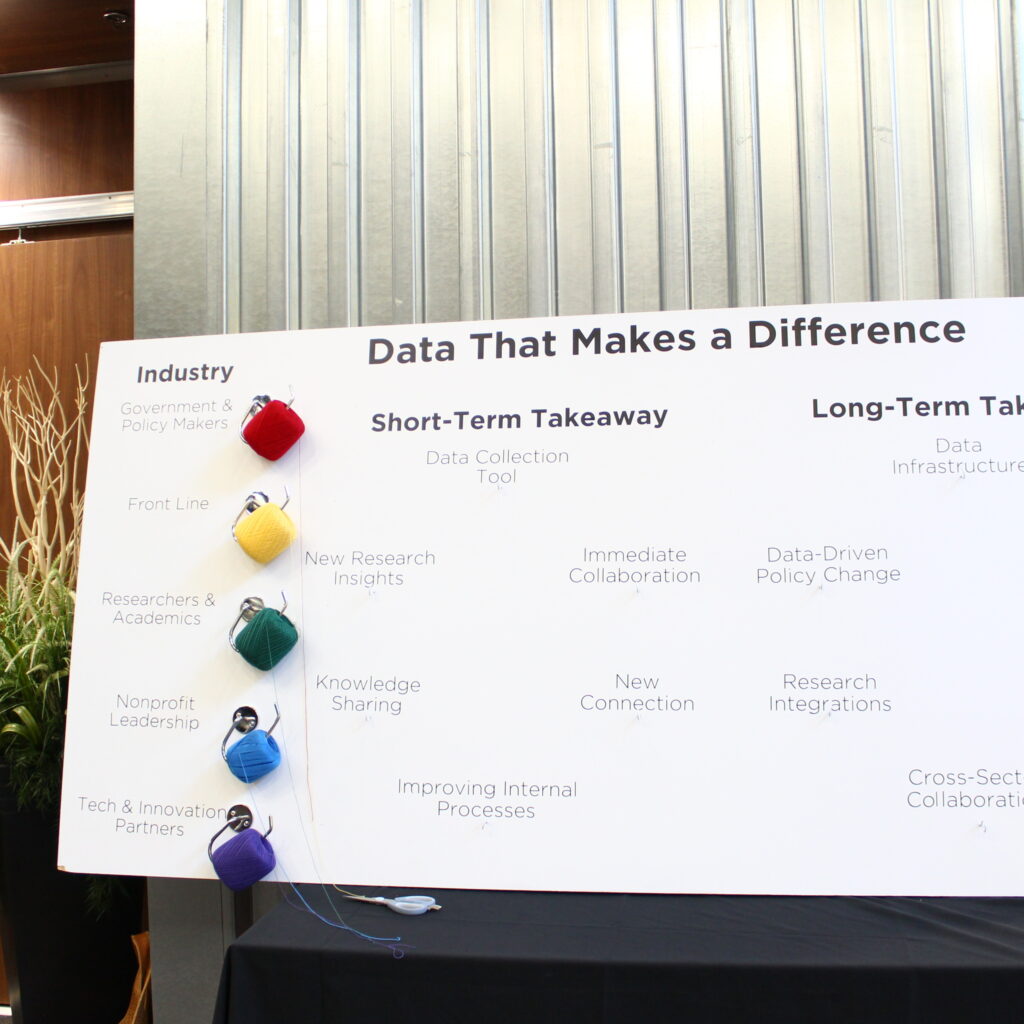
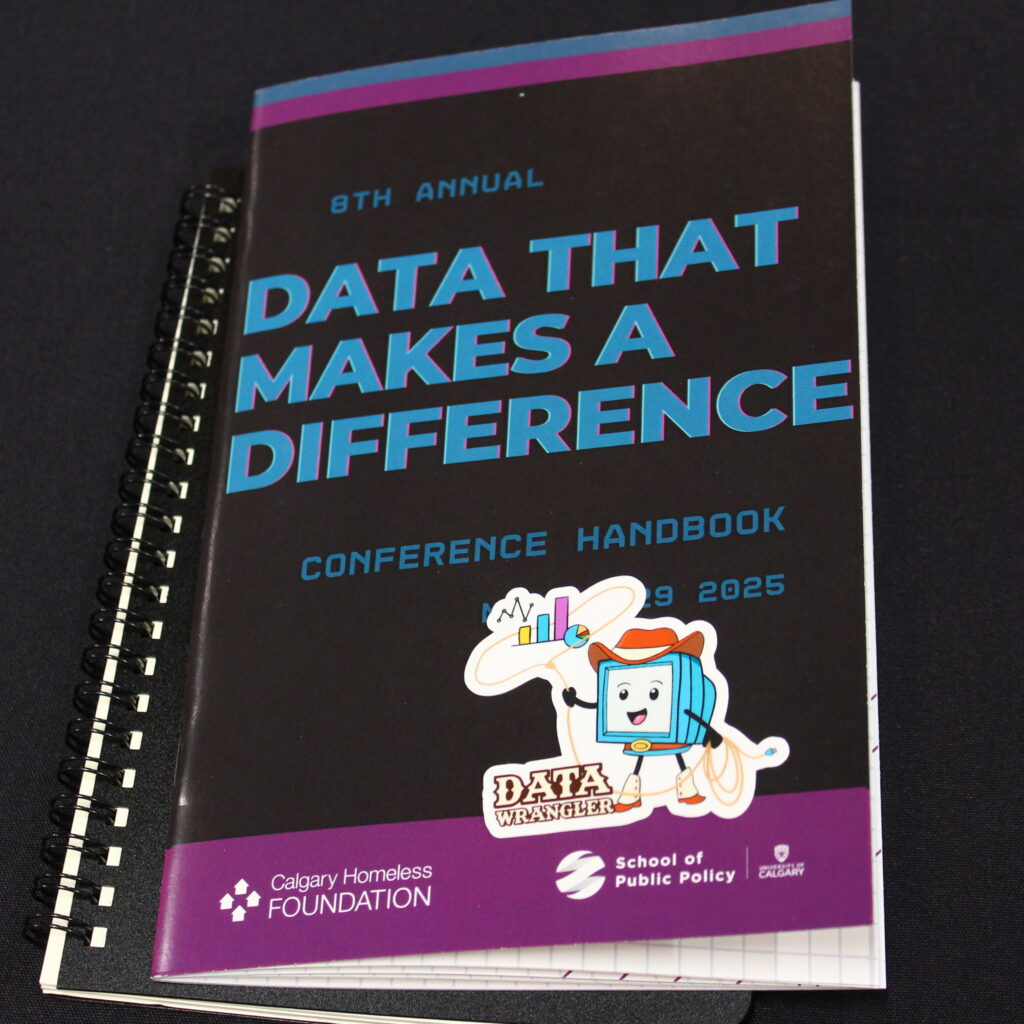
Explore past speakers and presentations from the 8th annual Data That Makes a Difference Conference.

The Impact of Centralized Shelter Access Data
Heath Priston
Speaker’s bio
Heath Priston is manager of a data, analysis and reporting team in the Toronto Shelter and Support Services division in the City of Toronto. Trained as an urban geographer and urban planner, he has worked to support the use of data to address community and social policy issues throughout his career in freelance consulting and municipal public service.

Food Bank Use as a Predictor of Homelessness
Ron Kneebone
Speaker’s bio
Ron Kneebone is Director of Social Policy Research in the School of Public Policy at the University of Calgary. He leads a very small team of researchers investigating issues related to poverty, homelessness, domestic violence, and immigration. He and his team specialize in giving large administrative data sets the opportunity to reveal the truth about social problems and what may be effective public policies for addressing them.
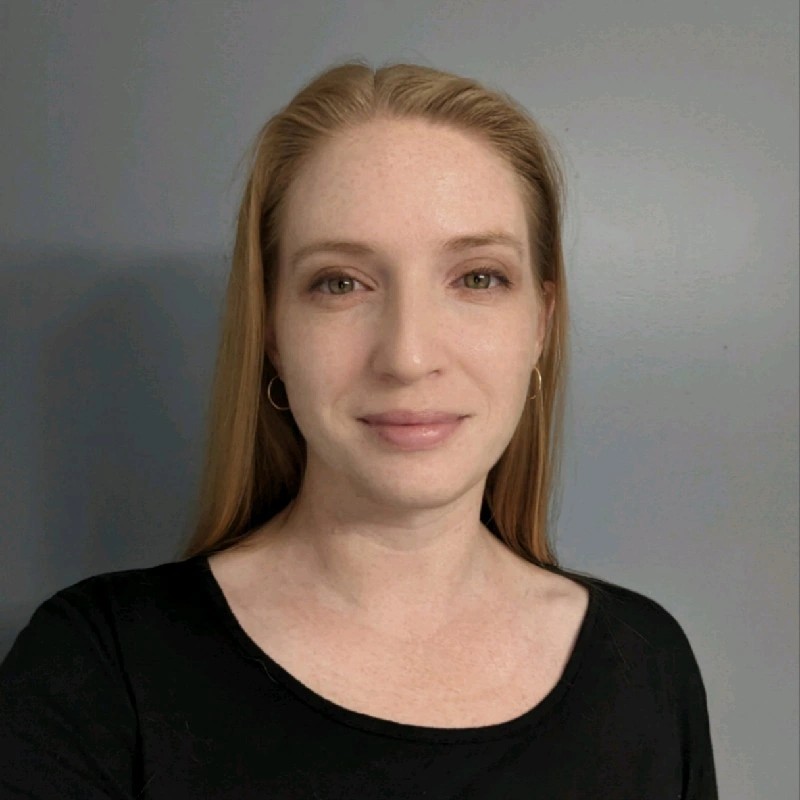
Leveraging Evidence for Improved Winter Service Planning for People Experiencing Homelessness in Toronto
Lucie Richard
Speaker’s bio
Lucie Richard is an Adjunct Scientist at MAP Centre for Urban Health Solutions in Toronto. With expertise in leveraging primary, secondary, and integrated data sources, she develops and uses novel approaches to extract actionable insights about the health and healthcare needs of people experiencing homelessness. She led the development and validation of a low-burden, cost-effective method to identify homelessness within health administrative data, which was used in recent work on cold-related injuries and cold exposure related emergency visits to help make the case for improved winter service planning in Toronto.
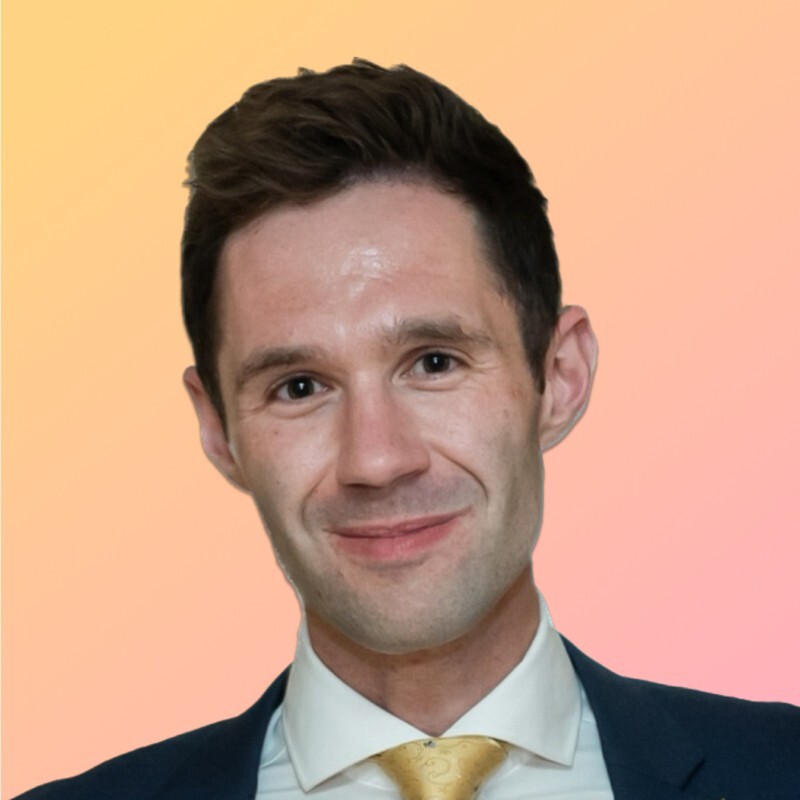
Data Quality and Homelessness: Simple Tools for Collecting Data on Sensitive Items
Robert Falconer
Speaker’s bio
Robert Falconer is a Research Fellow at the University of Calgary School of Public Policy and Doctoral Fellow at the London School of Economics. His work focuses on the evaluation of social programs, especially those dealing with sensitive issues or behaviours. This includes describing the role of social agencies in supporting newcomers to Canada, and a recent experiment in the UK on the impact of refugee sponsorship on British attitudes towards migration. He holds a Master of Public Policy from the University of Calgary, and an Honours Bachelor of Arts from the University of Toronto.
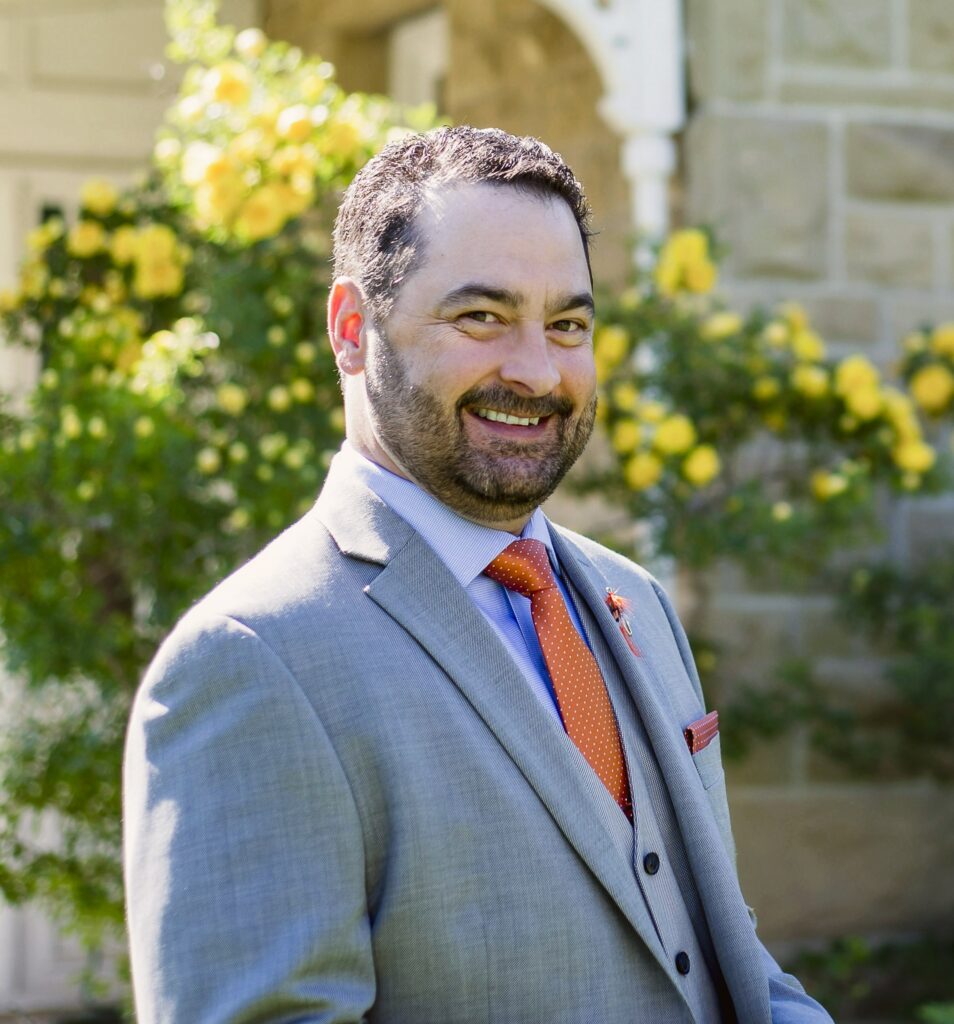
Leveraging Real-Time Data for Operational Improvements
Kevin Webb
Speaker’s bio
Kevin Webb is a dedicated leader in Calgary’s homelessness and housing sector, focused on creating sustainable housing solutions for vulnerable populations. As a senior leader at the Calgary Drop-In & Rehab Centre, he oversees the Emergency Shelter, Housing Programs, and mixed-market residential buildings, ensuring a housing-focused, recovery-oriented approach that prioritizes dignity, stability, and long-term success. Kevin leverages data-driven decision-making to enhance program effectiveness, optimize resources, and drive system-wide improvements. Through his strategic vision and operational expertise, he remains a driving force in Calgary’s efforts to end homelessness and improve housing accessibility.

Everyone Counts and Beyond- Past and Future PiT Counts
Rachel Campbell
Speaker’s bio
Rachel Campbell is a senior policy analyst in the Homelessness Analysis Team at Housing, Infrastructure and Communities Canada (HICC), where she leads the nationally coordinated point-in-time counts. She has coordinated multiple point-in-time counts in Calgary and New York City. She has worked in homelessness policy and research since 2006 and holds a master’s degree in public policy from the University of Calgary.
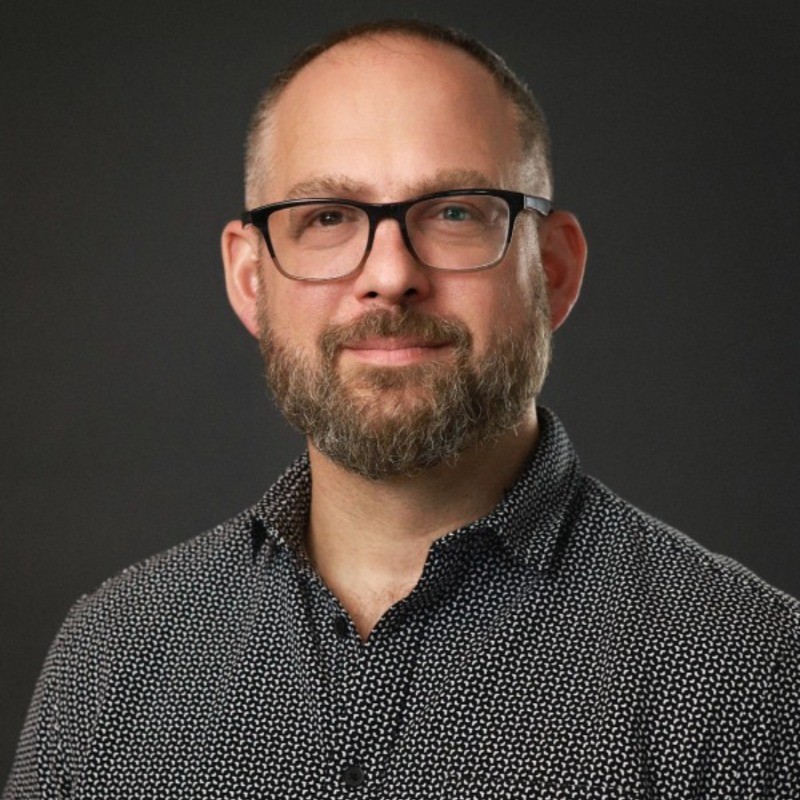
Adapting Homeless Data Infrastructure to Enable Prevention
Michael Lenczner
Speaker’s bio
Michael Lenczner is the CEO of DARO. He has over 20 years of experience in the areas of civil society, use of tech & data and of Open Government. He is a frequent collaborator on academic-community research partnerships and regularly serves on nonprofit boards and advisory groups related to technology, democracy, and civil society. Since 2018, Mike has been a Fellow at Carleton University’s School of Public Policy and Administration. As an advisor to the Making the Shift initiative, he focused on the ways that the homelessness sector can better leverage existing data to understand and prevent youth homelessness.

Coordinated Access and Assessment (CAA) triage tool
Michael Grant
Speaker’s bio
Michael Grant started his career as a Housing Case Manager with the Calgary Alpha House Society supporting vulnerable Calgarians with complex addictions and mental health issues. In 2017, Michael transitioned to the Calgary Homeless Foundation as a practicum student and was hired as a System Planner, where he remained until 2022. Michael then transitioned to the Distress Centre for a year to act as the Program Manager for the Coordinated Entry Team at the SORCe. In 2023, Michael transitioned back to CHF with his current role as Manager of the System Planning Team. Mike was born and raised in Calgary and has a very soft spot for the city and its community, especially the music scene. He has also been a part of Calgary’s music community since he was a teenager, where he has been a part of multiple bands that have released records and travelled to various parts of North America and Europe. Mike also enjoys playing golf, watching documentaries, cooking, and spending time with his friends and family.
Coordinated Access and Assessment (CAA) triage tool
Dallas Smith
Speaker’s bio
Dallas Smith recently stepped into the role of Manager of Coordinated Access at Calgary Homeless Foundation. Over the past two years as a System Planner, he supported major partners like Trellis and advanced key projects such as the Coordinated Entry Tool (CET). A strategic and collaborative leader, Dallas brings strong system insight to this years Data That Makes a Difference. Fun fact, he’s also a lacrosse enthusiast and a history buff you don’t want to challenge in trivia.

Oral Truthing
Chantel Large
Speaker’s bio
Chantel Large is Cree from Saddle Lake, Alberta although she has been a visitor in Mohkinstsis (Calgary) for most of her life. Chantel graduated from the University of Calgary with a Masters in Social Work in 2015. She currently works as the Cultural Services Manager at Miskanawah and she’s a Sessional Instructor at the University of Calgary Faculty of Social Work.
Chantel has a lot of diverse experience in the field of social work including working as a child, youth and family support worker; a mental health therapist; and in chronic kidney disease research. She has been invited to present as a keynote speaker and in panels and forums across the country on a variety of topics. She is the recipient of the 2023 Students’ Union Teaching Excellence Award, the recipient of the 2023 Faculty of Social Work Undergraduate Teaching Award, and the recipient of the 2023 University of Calgary Teaching Award for Indigenous Ways of Knowing.
Chantel has been described as an “Edgewalker” due to her ability to walk in two worlds and build bridges between western and traditional knowledge systems. In her role as Cultural Services Manager, Chantel has had the privilege to learn from many Elders and she takes her role as an Elder’s helper very seriously. In Chantel’s family, the three generations that came before her attended residential school so she describes her greatest accomplishment to be raising her four children alongside her husband.

Oral Truthing
Paige Cairns
Speaker’s bio
Paige Cairns was born and raised in in Mohkinstsis (Calgary) and has resided in Airdrie for the past 12 years. Adopted at a very young age, Paige has little information about her heritage however started her journey to understanding Indigenous ways of knowing and being over a decade ago.
Paige holds a Bachelor of Child Studies and has held leadership positions in the human services sector for the past 15 years. She spent the early years of her career working with high risk, homeless youth before finding a passion for family unification. Paige has dedicated much of her career to addressing the over representation of Indigenous children in the Child Welfare system.
Paige has worked with miskanawah for the past 12 years in varying leadership roles. Currently she is the manager of Nipsisak (cree for Willows) which encompasses miskanawah’s housing and homelessness diversion programs.
Paige is very involved in her community of Airdrie and has organized an annual fundraiser for the Airdrie Foodbank for the last 10 years, raising over $55,000. She has been nominated for “Airdrie Woman of the year” twice for her community contributions.
Paige is a proud single mother to an 11-year-old boy with Cree ancestry. She is committed to raising him with Indigenous values, following natural laws and belief systems. She is incredibly grateful to be able to raise her son with access to, and support from a ceremonial family.
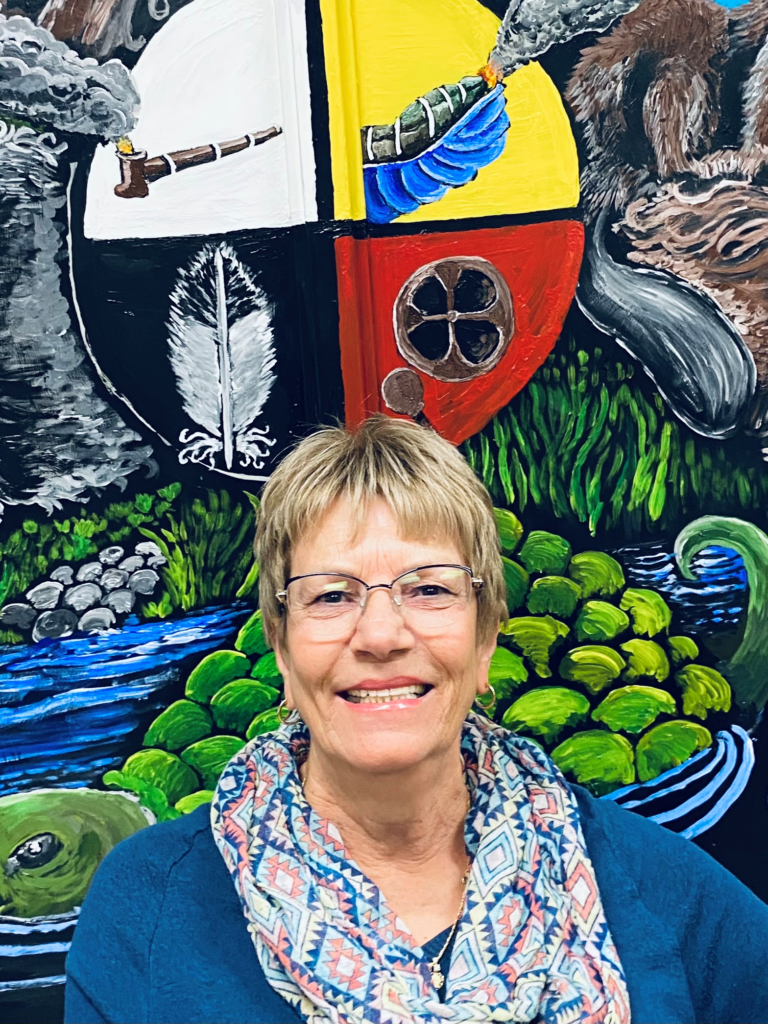
Examining Sober-Living Supportive Housing: Reducing Shame and Improving Outcomes
Diane Dumais
Speaker’s bio
Diane Dumais has 36 years of experience working in the addictions field. As a Program Director of Calgary Alpha House Society, she has dedicated her career to supporting individuals who lives have been affected by addictions and mental health. In April 2024, she had the privilege of launching the Providence Sober Living Program, offering supportive housing to individuals ready to make a positive change in their lifestyle. Through development of meaningful rapport with the individuals she serves, Diane acknowledges the significance of culture in a recovery journey and strives to keep those considerations at the centre of her work. Her passion for developing effective programming and providing essential resources has allowed her to empower individuals on their path to recovery.
In addition to her work at Alpha House, Diane has recently become a reviewer for the Canadian Accreditation Council of Human Services.

Examining Sober-Living Supportive Housing: Reducing Shame and Improving Outcomes
Tom Bain
Speaker’s bio
Tom Bain has been with Calgary Alpha House since 2022 and currently serves as the Program Manager at Providence House. With a strong commitment to client care and recovery, Tom brings valuable experience and passion to his role. Outside of work, Tom is a proud father of two and enjoys spending quality time with his family, especially with his dogs. He is also passionate about travel and dedicated to fostering positive change within the recovery community.
Agenda for 2026
Day one
May 27, 2026
| 8:30 AM | Registration and breakfast | |
| 9:30 AM | Land Acknowledgement Welcome Remarks Indigenous Blessing | |
| 9:55 AM | Opening Remarks | Hon. Myles McDougall, Minister of Advanced Education |
| 10:00 AM | Keynote Speech | Gord Tanner |
| 11:00 AM | Presentation 1 | Jessica Dobrovic |
| 11:45 AM | LUNCH BREAK | |
| 12:45 PM | Presentation 2 | Suzanne Cunnigham & Blake Jackman |
| 1:30 PM | Presentation 3 | Ashley Fraser |
| 2:15 PM | NETWORKING BREAK | |
| 2:30 PM | Presentation 4 | Kemi Ajayi |
| 3:15 PM | Presentation 5 | Ron Kneebone |
| 4:00 PM | Day One Closing Remarks | Moderator |
Day two
May 28, 2026
| 8:30 AM | Check-in & Breakfast | |
| 9:00 AM | Welcome Remarks Land Acknowledgement Indigenous Blessing | |
| 9:30 AM | Presentation 6 | Natalia Shen & Michael Grant |
| 10:15 AM | Presentation 7 | Nick Falvo |
| 11:00 AM | Presentation 8 | Alain Ndayishimiye |
| 11:45 AM | LUNCH BREAK | |
| 12:45 PM | Presentation 9 | Patrick Hunter & Annie Duchesne |
| 1:35 PM | Breakout Group Sessions | |
| 2:30 PM | Remarks | Salimah Walji-Shivji (AgeCare) |
| 3:40 PM | CONFERENCE CLOSING REMARKS | Ron Kneebone |


Questions?
We’re here to help you make the most of this unique learning opportunity. Whether you have questions about sessions, networking, or how to get involved, don’t hesitate to reach out.